
Boards do not need to become technologists. They need the judgement and assurance to govern technology-led transformation as complexity and scrutiny deepen.
Advisory Engagements
The nature of the challenge determines how I engage. Three modes:
Independent Board Advisory
Non-executive board membership bringing independent technical judgement to governance, risk, and accountability.
Strategic Governance Counsel
Governance designed in, not bolted on. For organisations navigating transformation under scrutiny.
Board and Executive Dialogues
Strengthening judgement at the point where strategic decisions carry the greatest consequence.
Board Experience And Insights
Trusted in boardrooms and advisory roles
Capita plc | Davies Group | Shell plc | University of Oxford | University of Cambridge | Cranfield University, School of Management.
In The Media
Forbes | Bloomberg | BBC News
Featured Podcast Conversation
150,000+ viewers across platforms.
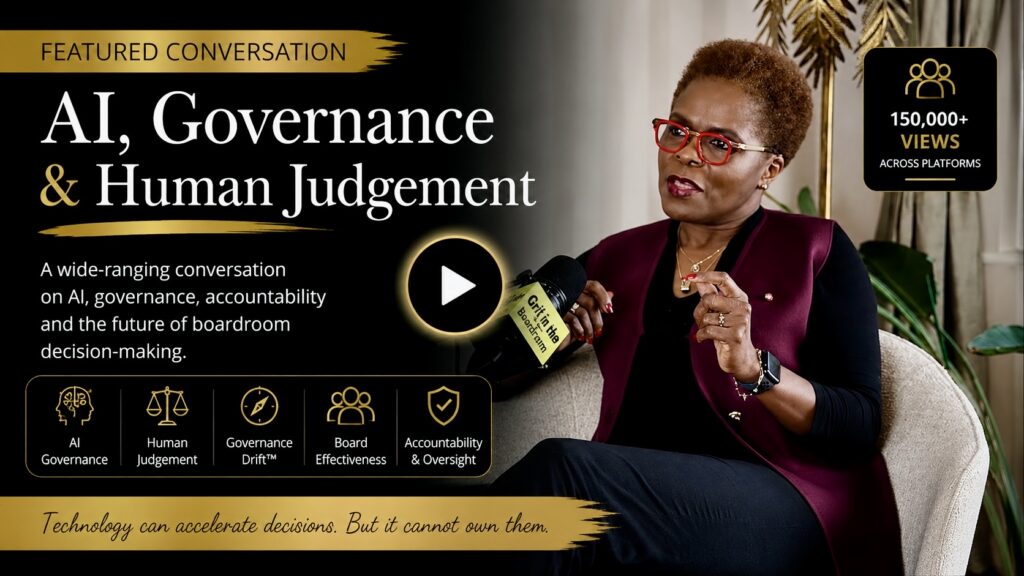
A conversation about far more than governance.
Beyond AI and boardroom accountability, this discussion explores the human side of leadership, navigating uncertainty, resilience under pressure, and the judgement required when the stakes are high.
It is a reflection on people, the choices we make, and how leaders show up when it matters most. Watch now ↗
Recognised by
Financial Times | OBE
Insight
Forbes: “Why AI Requires Boards to Show Their Human Touch”↗
When Boards Engage Me
Boards engage me, as a Non-Executive Director and adviser, when:
- Technology-led transformation requires governance designed in from the outset
- Technology risk is outpacing the board’s line of sight
- AI adoption is moving faster than governance readiness
- Cyber and operational risks are converging
- Decision-making is becoming harder to interrogate.
How I Support Boards
- Designing governance into AI‑shaped decision‑making
- Bringing independent technical judgement where architecture, models, or platforms now shape accountability
- Re‑establishing oversight where assurance has displaced control
- Helping boards govern where power is shifting into architecture
- Supporting transformation with accountability designed in.
The MicroMax Governance Lens
Technology is the enabler. Governance is the compass. People are the heart.®
A governing philosophy for technology at pace and under scrutiny.
Technology – the Enabler
Where innovation creates value through accountable design. Enter the pathway→
Governance – the Compass
Where judgement guides transformation before risk compounds. Enter the pathway→
People – the Heart
Where human judgement sustains strategy when tested. Enter the pathway→
Technology shapes choices. Governance orients them. People determine whether they hold.
Frameworks
Governance Drift™
The point at which complexity has already outpaced accountability, before the board knows it.
Explore the framework→
The Human Boardroom®
A framework for understanding how judgement holds, or fails, when decisions are made under pressure.
Read the series | White paper forthcoming
Ideas, Insights and Influence
Independent thought on how technology reshapes power, accountability and judgement.
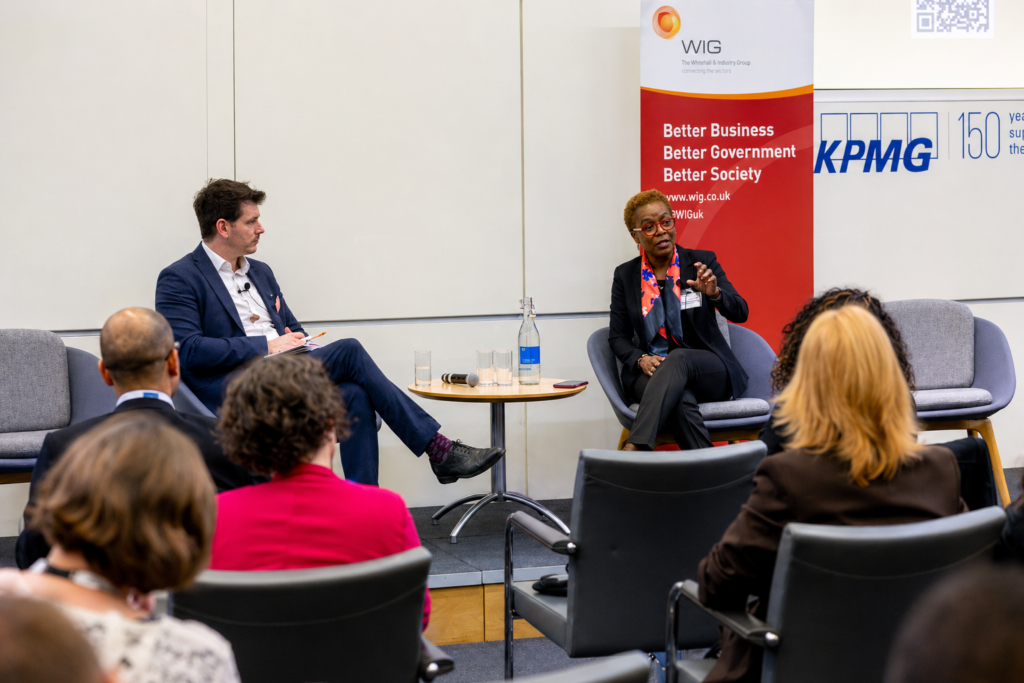
Here I develop and share thinking through Governance Drift™, The Human Boardroom® and wider commentary on governing technology under pressure.
Through writing and keynote dialogues, I explore the conditions under which judgement holds or fails.
Explore ideas shaping influence
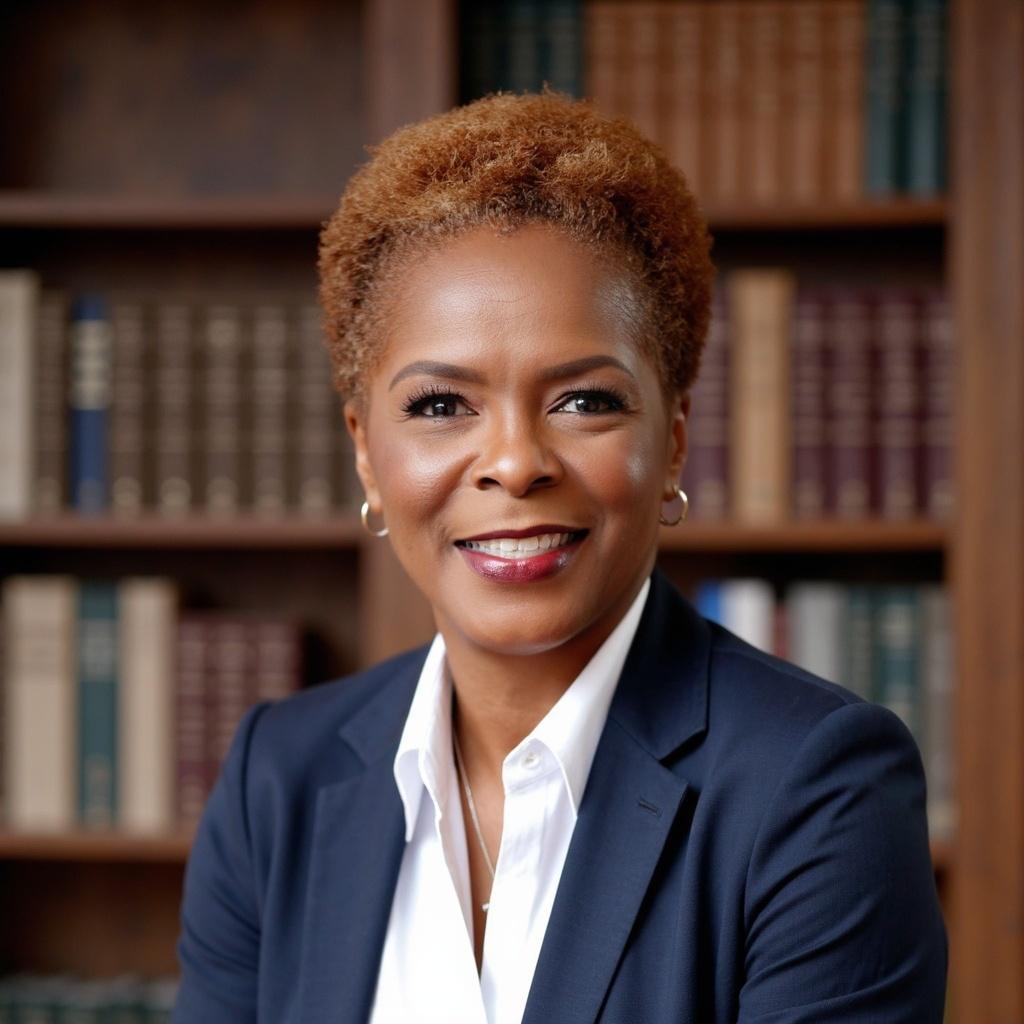
Dr Nneka Abulokwe
OBE FAPM FBCS
Boards engage my judgement to govern where technology reshapes accountability and consequence.
Meet Nneka
Contact
If your organisation is at a moment where technology decisions carry human consequence, I would welcome a conversation.